
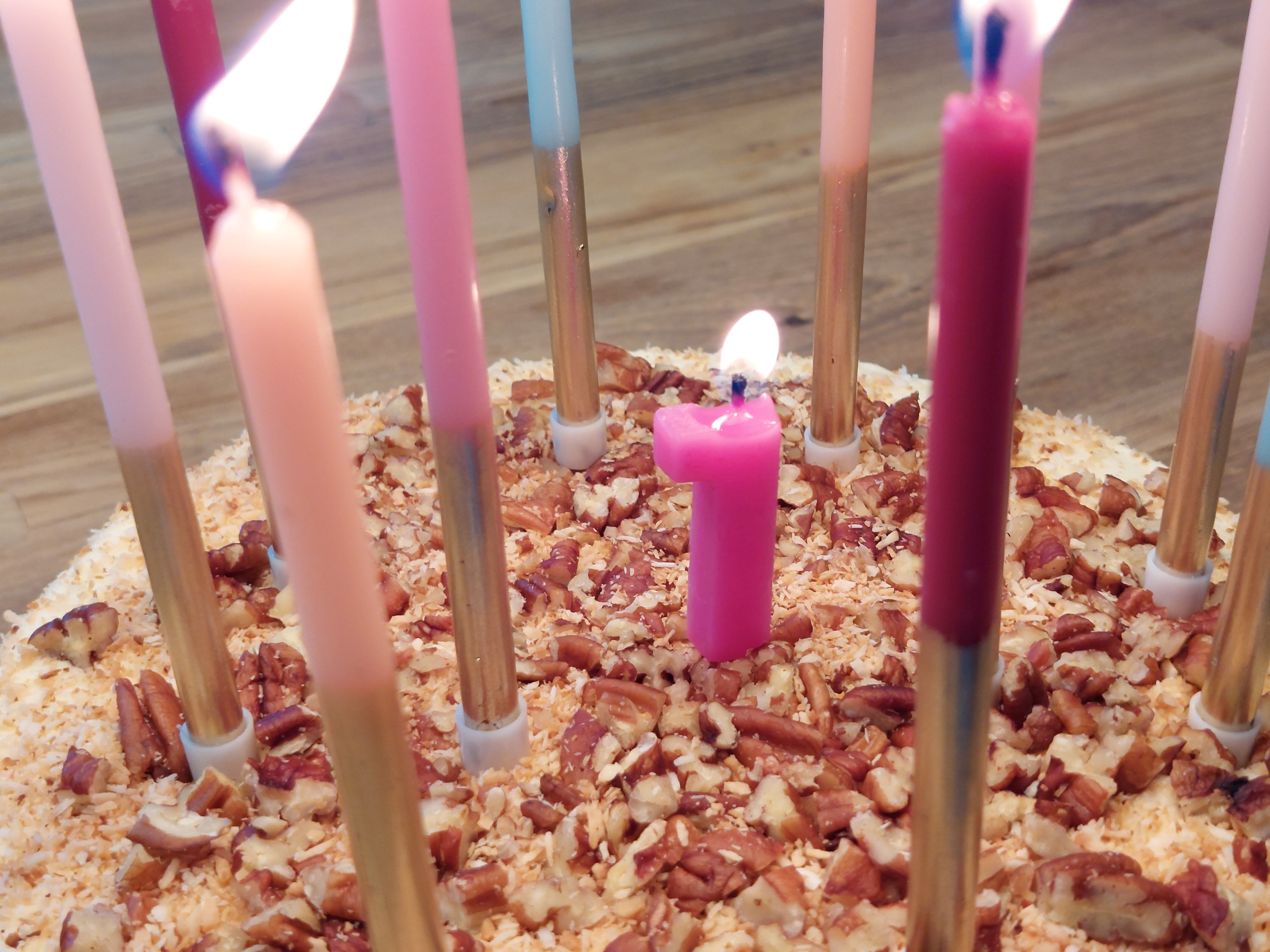
A year ago, I did not start with a finished product. I started with questions.
What makes a space feel good or bad? What do people actually want technology to do for them? And how much technology do they really want to manage?
During our first year, we conducted 77 customer conversations, integrating feedback from 49 of them into our research. That work shaped the problems we chose to solve, the assumptions we dropped and the product we started building.
We began by acknowledging a fundamental truth: people rarely want more technology for the sake of technology. They want a problem removed, an answer they can trust, and less work between the two.
Ideas turned into ideation. Ideation became software. Software ran on hardware. The hardware became a box. The box went into real homes. Then it came back. With notes attached.
A lot of notes! It turns out that the most important improvements did not come from our internal benchmarks. They came from people.
Across the first year, we recorded 10 prototype placements. Our Bravehearts took early systems home and integrated them into daily life. They found bugs. They found awkward instructions. They disconnected sensors. They exposed edge cases. They showed us where a process that felt clear to us was not obvious at all.
And they changed the direction of the product. We thought an easy setup was a great target. We learned that "easy" is still setup. This lesson shaped us and now sits at the front of baseworks.tech: zero setup.
The prototypes also started doing the thing that mattered most: helping people notice what was previously invisible. We’re thrilled to have been able to change how many of our Bravehearts now think about their environment’s air quality, some even having taken active steps to take back control over it - with or without technology.
One Braveheart noticed that nights of poor sleep coincided with higher CO₂ in the bedroom and saw how quickly CO₂ rose during meetings with the office door closed. Another identified parts of a home that needed better ventilation. Another valued getting rid of integration work and troubleshooting without giving up privacy, local control or ownership. And every one of them was able to take away whether their places were well ventilated or not.
We believe that is when the technology becomes useful. Not when a sensor shows a number or sends a notification - but when that number helps someone understand what to do next, shaping their moment, day or life.
That is probably my biggest lesson from year one: measure before you act. It applies to indoor air. It applies to products. It applies to companies. When a room feels wrong, measure before replacing things at random. When a user struggles, observe before adding another feature. When an assumption looks obvious, test it before building around it.
So testing we did - and did not get everything right this year. There were Wi-Fi failures, memory leaks, race conditions, confusing flows, packaging changes, abandoned ideas and technical paths that looked promising until they met reality. I am glad we found them - a prototype is supposed to reveal what you do not know, which it did - more so than we expected.
During the same year, baseworks.tech grew from an early website and research documents into a real technology startup: a new website localized in 3 countries, a clearer product architecture, a working set of products and the foundations of a shop, which is planned for launch soon.
And so we enter year two.
The focus becomes more commercial and more demanding.
We are turning the work into clear products: standalone ecosystems, focused bundles, curated hardware, software and fixed-period environmental risk assessments that turn several days of measurements into practical findings.
We are finishing the shop and its commercial flows. We are making zero-setup deployment repeatable. And we want to put more systems into real business spaces, where environmental conditions affect many people every day.
We will continue to build local-first. We will continue to protect ownership. We will continue to prefer evidence over assumptions.
And we will continue listening.
To every Braveheart who opened a box, tested something unfinished, reported the strange edge case and told us what we did not necessarily want to hear: thank you.
To everyone who gave us an hour for a conversation, made an introduction, challenged an assumption, read a post, shared an idea, or simply asked how things were going: thank you.
Time and trust are real investments. I do not take either for granted.
One year in, baseworks.tech is still small, but the ambition is not. We want spaces to tell you what needs attention without requiring another system for you to manage. We want technology to stay in the background and cover blind spots, not become another distraction.
Thank you for year one. Now we keep building.
Ovidiu Founder, baseworks.tech